Frequently Asked Questions
Click here to read our How to Prepare page.
What Is Neuropsychology?
Neuropsychology is the study of how brain function relates to behavior, memory, attention, and other thinking skills. While brain scans (e.g., CT scan or MRI) show structure, they don’t always explain how someone functions day to day. That’s where testing matters. In simple terms, we take your brain for a test drive.
Neuropsychological evaluations can:
Identify areas of strength and weakness
Clarify whether changes are typical or concerning
Provide guidance for treatment, planning, and next steps
Why am I hearing from both NeuroBridge Assessments and Triangle Neuropsychology Services?
NeuroBridge Assessments® is our national brand for scheduling and virtual evaluations. Once you begin the process, your care is provided through Triangle Neuropsychology Services — our clinical practice, where your provider, records, and insurance billing are handled. Both are owned and operated by the same team, so you may see either name during your care journey. This is expected and does not mean you're working with a different practice.
Do you take insurance?
We currently accept Medicare, BCBS, and Aetna. Insurance will typically cover what is deemed to have medical necessity — meaning the evaluation is ordered to diagnose or manage a suspected medical condition, such as memory loss, cognitive decline, or ADHD symptoms affecting daily functioning, usually with a physician referral, though coverage still depends on your specific plan. Testing done for reasons like academic accommodations, workplace performance, or second opinions is always billed as self-pay.
We recommend calling the member services number on your insurance card before your appointment to confirm your benefits, since coverage decisions are ultimately made by your insurance company. If a claim is denied for any reason, the balance would become a patient responsibility , so verifying ahead of time is the best way to avoid a surprise.
What Is PSYPACT?
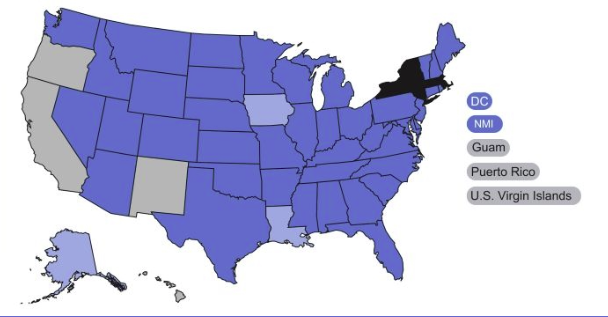
PSYPACT (Psychology Interjurisdictional Compact) allows licensed psychologists to provide telehealth services across participating states. Because NeuroBridge Assessments operates under PSYPACT, we can evaluate clients who are physically located in participating states at the time of service. NeuroBridge Assessments does not currently operate within the state of North Carolina.
Do you complete disability evaluations?
We do not currently complete evaluations specifically for long-term or short-term disability. If the results of a clinical evaluation support the presence of a disability, you may use those records to support a claim; however, we do not specifically make disability determinations or address disability-related questions. While we are willing to provide summary letters related to completed evaluations, we do not write letters in support of disability claims or complete disability-related paperwork. This is separate from ADHD evaluations, for which we do provide documentation to support academic accommodations when clinically appropriate.
What is a testing session like?
It will feel like a series of brain exercises. You may be asked to remember information, solve puzzles, or complete tasks that challenge different areas of thinking. Sessions typically last between 2–4 hours. Breaks will be offered throughout, and you’re always welcome to request one. The process can be mentally tiring, but it is not meant to be unpleasant or painful.
What if I don’t know the answers?
That’s completely fine. Many of the tasks are intentionally challenging. Just try your best—even if you’re unsure. Your approach and effort are just as important as the final outcome.
Who is most appropriate for remote testing?
Remote testing is a good option for adults who are comfortable using basic technology or have someone available to help. This includes being able to use a webcam, adjust audio settings, and manage simple troubleshooting. Remote sessions work best when the examinee is engaged and sees value in the evaluation. If someone is unwilling to participate, unable to sit through tasks, or has difficulty managing behavior, in-person testing is usually a better fit.
Can I record the testing session?
No. Recording is not permitted due to test security and copyright regulations. Test materials must remain confidential and may not be shared, copied, or recorded in any form.
Will I receive results right away?
You will not receive immediate results at the end of the session. After testing is completed, your provider will review your performance, consider your history and presentation, and write a summary report. Feedback is typically scheduled within 1–2 weeks of the evaluation.
Other questions?
Contact us!